
I was assigned to model a gun room scene and implement the Cases that I modeled in a previous assignment. But since there was a budget on time for the assignment. I was instructed to gather gun models that the game has specified, although I wasn’t provided the gun models I made sure to gather gun models from sketchfab and did thorough research to gather guns that had the proper commercial license for free use, given that I give proper credit to the person that made them and textured them.
I gathered inspiration from an AI image and used it as reference and improvised on my own. Although AI is frowned upon, I try and use it minimally if I need a boost for imagination, inspiration or other things, I use it as a tool rather than rely on it.
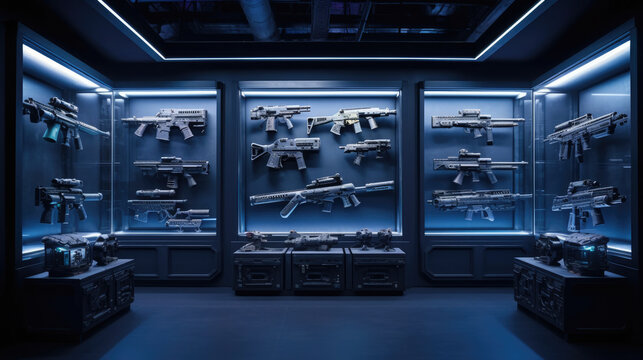
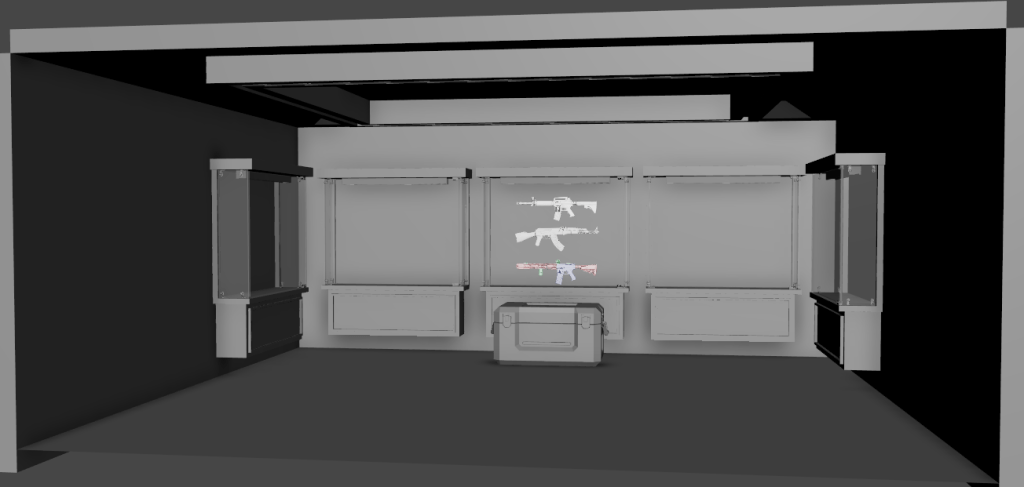
While constructing the room, I modelled out the display cases, and put more focus around the areas where the guns are being displayed. Along with each gun I imported, and made sure to clean up the topology if needed.
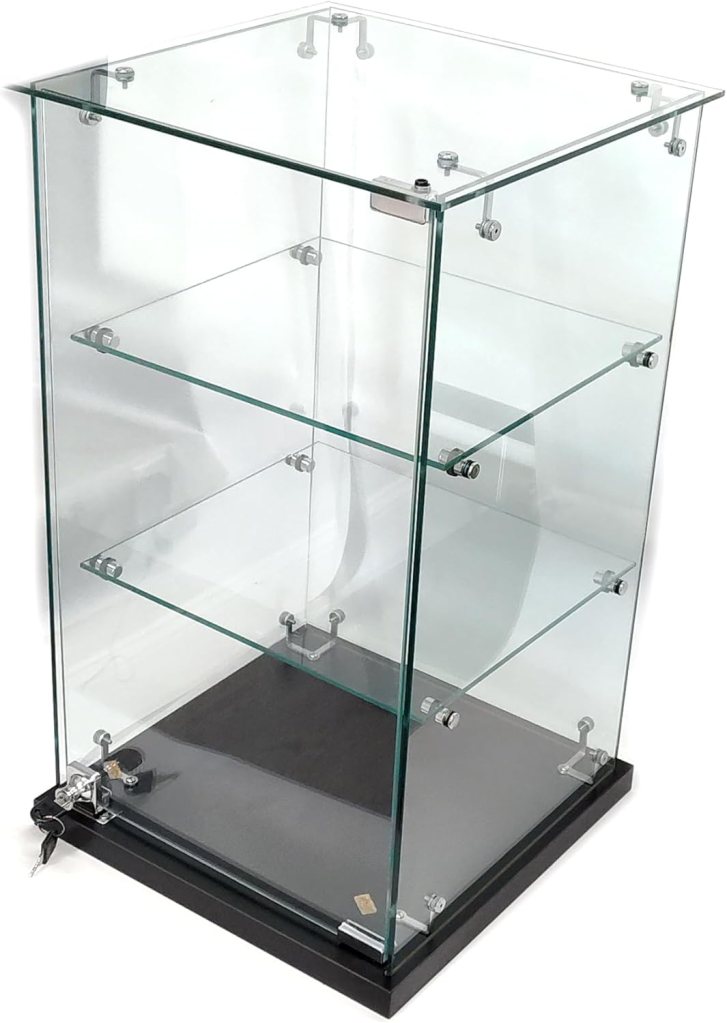
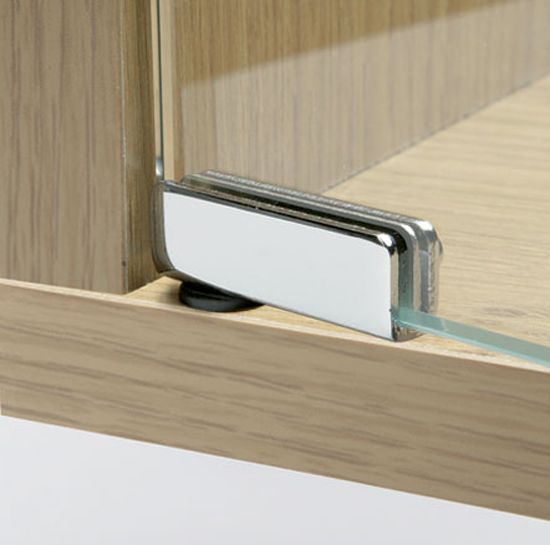
I also tried to look at more detail towards display cases and the mechanisms of how glass panels are held, and how the hinges are built for the cabinets, and followed through with the modeling process.
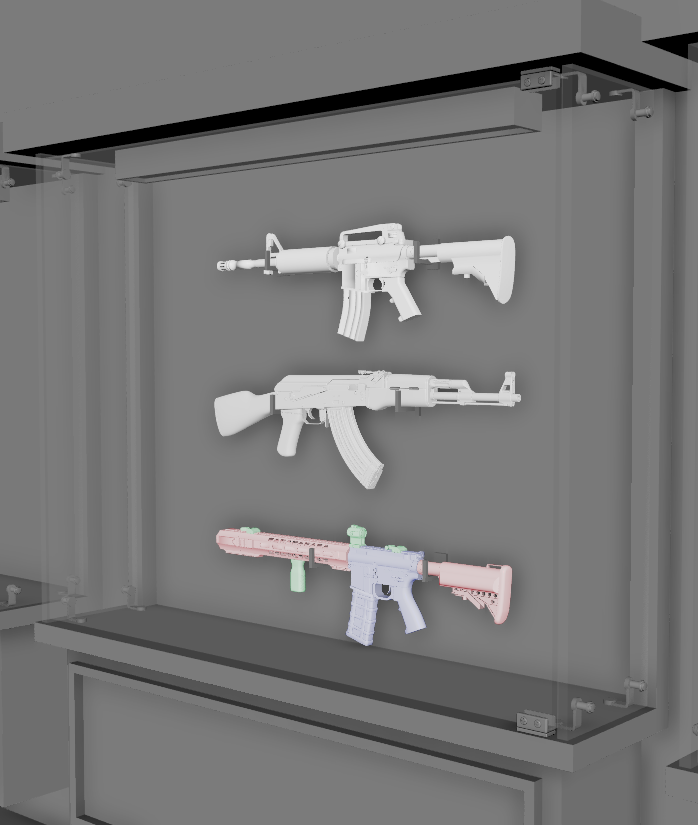
For texturing, all guns were given a gunmetal dark gray/black base, with roughness values varying by attachment (metal, plastic, or rubber). I explored whether separating materials into texture sets would be more efficient than a UDIM workflow, but time constraints limited a full comparison.
In the Unreal project setup, I prepared the full scene with textures, using Glass IOR values for realistic refraction and adjusting lighting for accurate results. I also tweaked rendering settings to optimize quality within my laptop’s limitations, working around crashes during the Movie Render Queue in Unreal Engine 5. I eventually got these results.
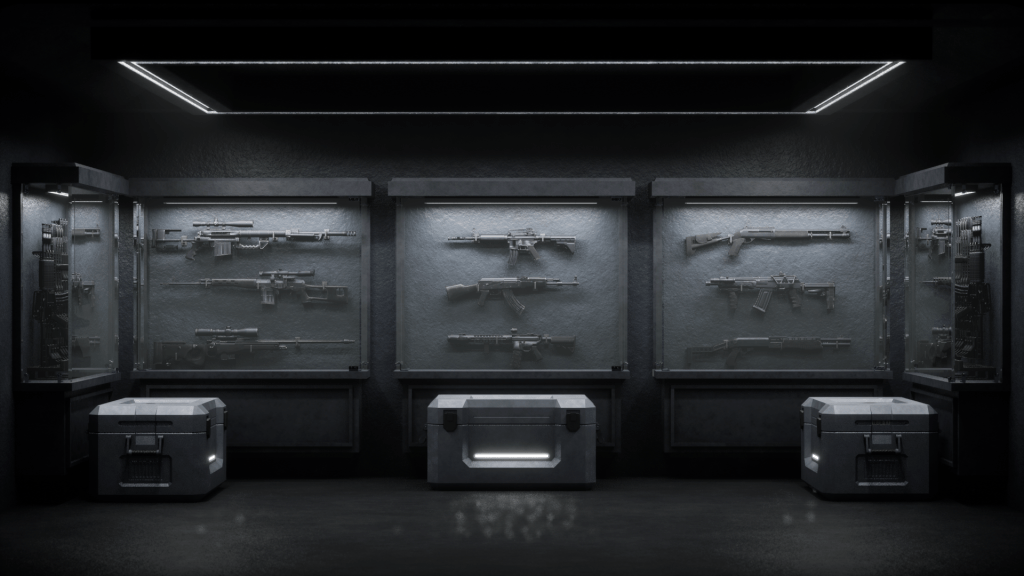
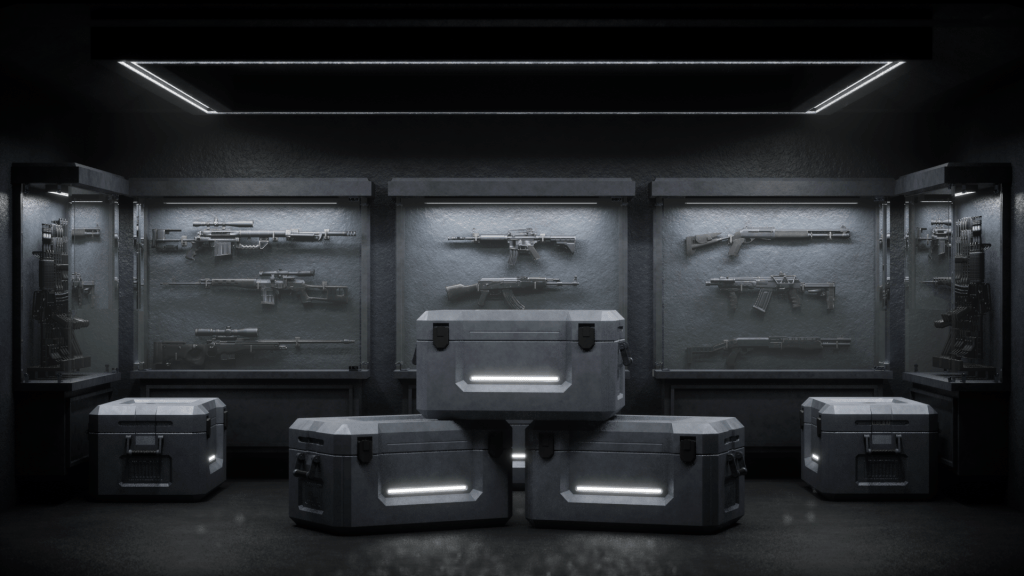
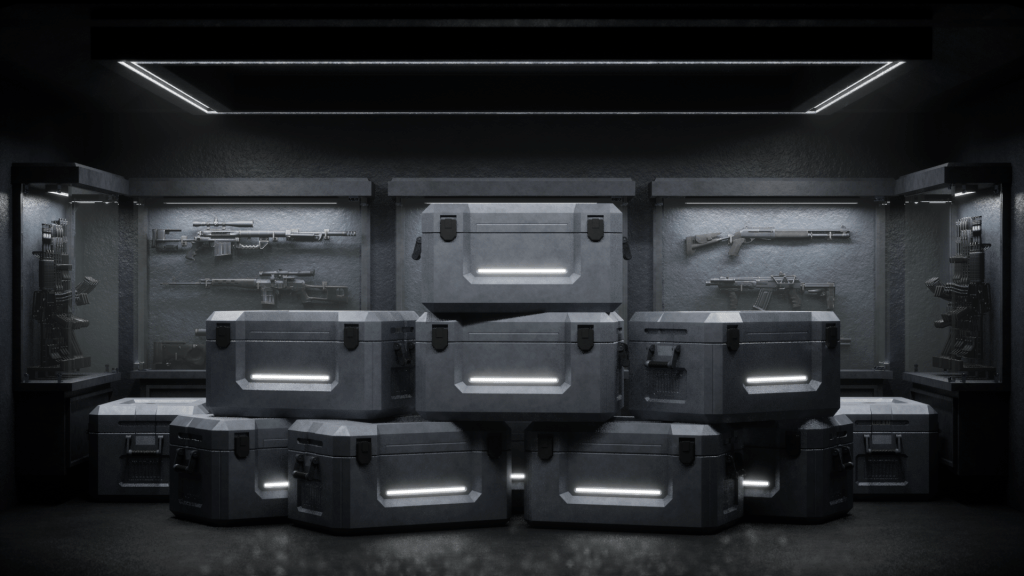
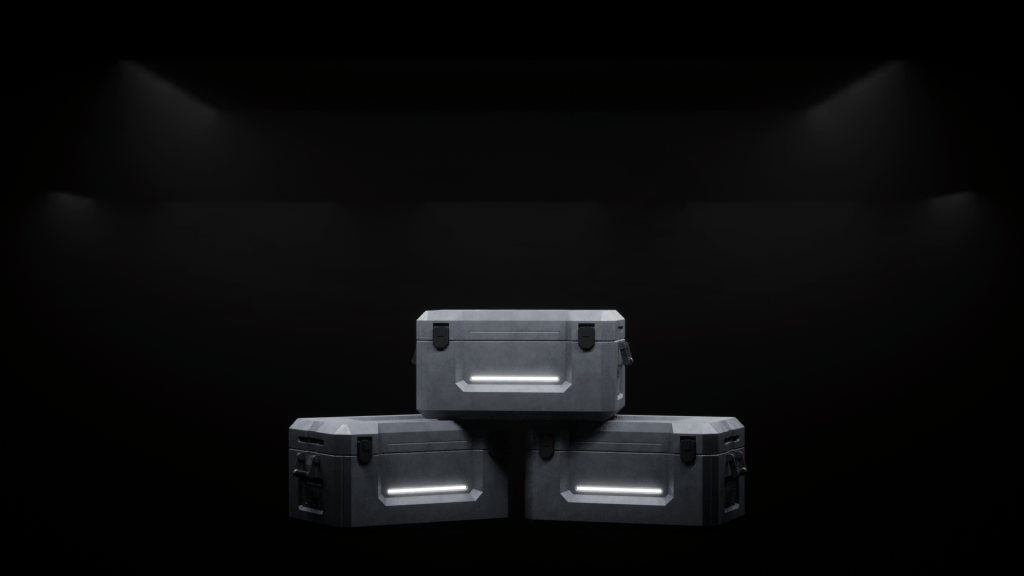
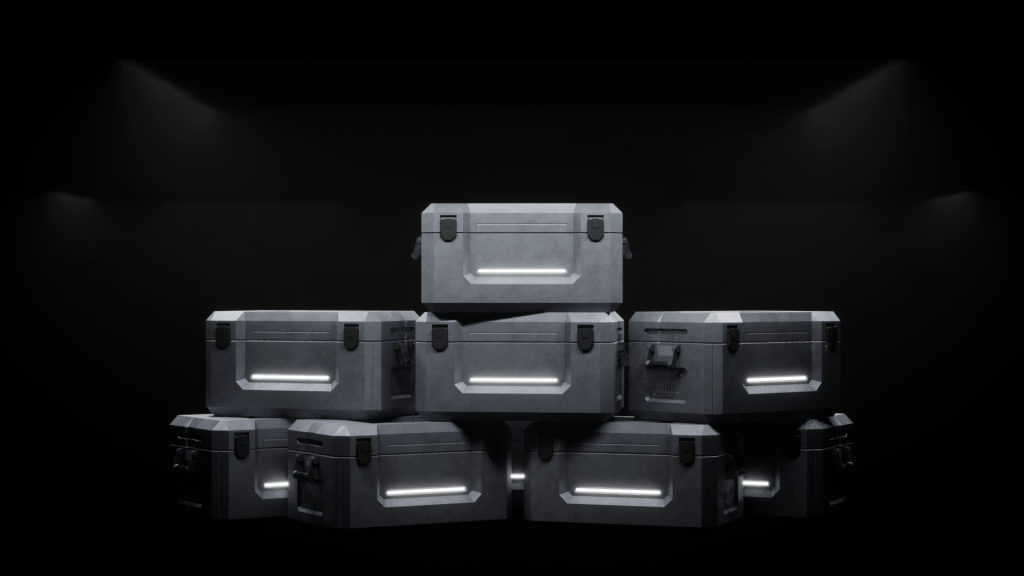
Despite the lighting artifacts on the floor, the results came out well and my supervisor was pleased.
Credits:
“AR-15” (https://skfb.ly/oFW9Z) by Andrei Milin is licensed under Creative Commons Attribution (http://creativecommons.org/licenses/by/4.0/).
“AK-47 Kalashnikov” (https://skfb.ly/oDvYO) by Jeyhun1985 is licensed under Creative Commons Attribution (http://creativecommons.org/licenses/by/4.0/).
“M4A1” (https://skfb.ly/oxuRY) by TORI106 is licensed under Creative Commons Attribution (http://creativecommons.org/licenses/by/4.0/).
“KRISS Vector (FREE)” (https://skfb.ly/owyTI) by konstantsin is licensed under Creative Commons Attribution (http://creativecommons.org/licenses/by/4.0/).
“P90 | Chrome” (https://skfb.ly/6Ypu8) by Liam Moffitt is licensed under Creative Commons Attribution (http://creativecommons.org/licenses/by/4.0/).
“UMP-45” (https://skfb.ly/pwSAG) by Viktoriia is licensed under Creative Commons Attribution (http://creativecommons.org/licenses/by/4.0/).
“AWM” (https://skfb.ly/oTJ8B) by 974390566xy is licensed under Creative Commons Attribution (http://creativecommons.org/licenses/by/4.0/).
“SVD Dragunov” (https://skfb.ly/oCzXA) by neyr is licensed under Creative Commons Attribution (http://creativecommons.org/licenses/by/4.0/).
“CheyTac M200” (https://skfb.ly/povNx) by sanekcloff is licensed under Creative Commons Attribution (http://creativecommons.org/licenses/by/4.0/).
“Spas 12” (https://skfb.ly/6RO9J) by Luiz Bueno is licensed under Creative Commons Attribution (http://creativecommons.org/licenses/by/4.0/).
“KOMRAD 12 SAIGA 12” (https://skfb.ly/6SYzJ) by Danya is licensed under Creative Commons Attribution (http://creativecommons.org/licenses/by/4.0/).
“Shotgun- Benelli M90 (XM1014)” (https://skfb.ly/o8ToP) by Nayo 3D is licensed under Creative Commons Attribution (http://creativecommons.org/licenses/by/4.0/).
Applications Used:
Autodesk Maya, Substance Painter, Unreal Engine 5.
Conclusion:
This was the assignment I dedicated the most time to, ensuring accuracy and realism by studying workflows, adding functional detail, and reusing skills with glass shaders and IOR values. I experimented with lighting, Unreal Engine project settings, and rendering to achieve high-quality results despite time limits. On a larger scale than my usual school projects, it became one of my favorites because it allowed me to push modeling, texturing, rendering, and experimentation to their fullest.

 joshuaarora.com
Leave a comment